
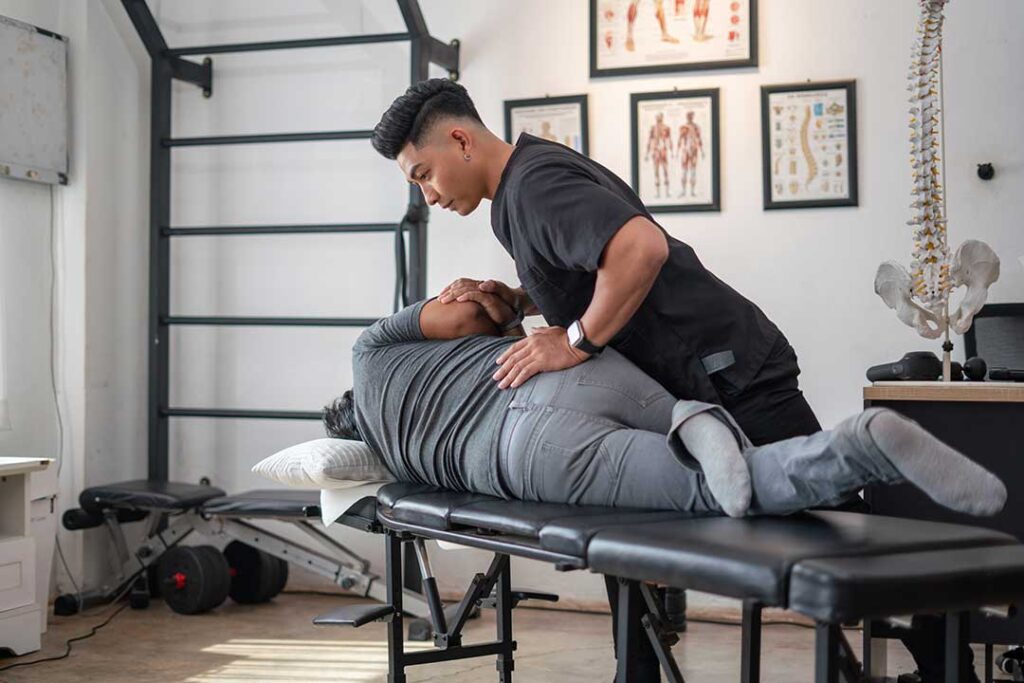
What Are Pinched Nerves and Why Do They Happen?
A pinched nerve occurs when surrounding bones, muscles, or tissues place pressure on a nerve. This pressure can interrupt normal nerve function, triggering symptoms like pain, tingling, numbness, or muscle weakness. In Union, NY, the most common reasons residents experience pinched nerves are related to repetitive activities, posture habits, and routine physical stresses. Local factors such as frequent snow shoveling, yard work, and time spent commuting can also contribute to these issues.
Common Causes for Local Residents
Many pinched nerves begin with everyday actions, such as:
- Sitting for long periods, especially while driving or working from home
- Lifting heavy objects with poor technique (frequent during winter snow clearing or summer landscaping)
- Sleeping positions that compress joints or muscles
- Poor workstation set-up—often the case for those who telecommute or work at a home office
Repeated motion, temporary swelling, or an underlying health condition can also play a role.
Can Pinched Nerves Be Prevented With Better Posture?
Improving posture is one of the most effective ways to reduce the risk of nerve compression. Start by keeping feet flat on the floor when sitting, shoulders relaxed, and ears in line with your shoulders. Support your lower back with a cushion if needed, especially during cold winters when sitting for longer periods indoors is common in the city.
Residents who shovel snow or do seasonal yard work should focus on keeping their back straight and using legs rather than the upper back to lift. In sleeping, aim to keep the spine in a neutral, straight position—side sleepers often benefit from a pillow between their knees.
What Role Does Movement and Exercise Play in Prevention?
Regular, gentle movement helps maintain muscle flexibility and reduce excess pressure on nerves. For most people in the community, a simple daily walking routine is enough. Activities like yoga or stretching can also be valuable, especially during colder seasons when muscles and joints may feel stiffer due to low temperatures.
Practical tips include:
- Setting an hourly reminder to stand up and move, particularly for those working long hours at a desk or while remote working.
- Choosing walking paths in local parks or residential areas when conditions are safe.
- Light stretching focusing on the neck and lower back, which are common trouble spots for nerve compression.
How Can Households in Union, NY Adjust Their Routines to Lower Risk?
Small changes at home can make a significant difference. Adjusting common household behaviors helps protect nerve health, particularly in environments where winter weather keeps people indoors or increases manual work outdoors. Key habits include:
- Lifting heavy items with knees bent and back straight, no matter if it's groceries, winter gear, or household supplies.
- Avoiding sitting on overly soft couches for extended periods; firmer chairs give better support.
- Using multiple pillows or a supportive mattress to align the spine, reducing risk during sleep.
- Taking breaks when doing repetitive chores like raking, vacuuming, or carrying laundry.
Are There Specific Precautions for the Winter and Seasonal Changes?
Seasonal conditions in Union can put extra pressure on the body, which may increase the odds of a pinched nerve. Cold weather tightens muscles, and icy conditions make falls more likely. Residents who spend time outside shoveling, scraping, or walking on snow should:
- Warm up with simple stretches before going outdoors.
- Use ergonomic snow shovels and avoid twisting the body while lifting.
- Wear supportive, non-slip boots to prevent sudden slips that can lead to nerve injuries.
- Take frequent breaks to avoid muscle fatigue.
Inside the home, try to maintain an active routine through light calisthenics or stretching when cold weather discourages outdoor movement.
Can Tech and Work Habits Play a Role?
Absolutely. The rise in remote work across the area means more people work from less-than-ideal setups. To help prevent nerve issues:
- Keep computer screens at eye level to avoid neck strain.
- Position keyboards so arms remain relaxed and wrists neutral.
- Vary your working position—consider standing desks or periodic pacing while on the phone.
Teenagers and adults alike should pay attention to time spent on phones or tablets. Looking down at devices for hours stresses the neck and upper back; try to hold screens at eye level whenever possible.
Are Some People in the Community at Higher Risk?
Certain groups in Union may be more vulnerable to pinched nerves:
- Older adults, due to age-related joint and disc changes
- Those with repetitive job tasks (factory, warehouse, or service industries)
- Individuals with conditions such as arthritis or diabetes, which can affect nerves
An honest self-assessment can help. Residents experiencing recurring tingling or numbness should consider adjusting routines, and if symptoms persist or worsen, further evaluation may be warranted.
What Misconceptions Should Locals Be Aware Of?
A common misconception is that only serious injuries cause pinched nerves. In reality, small, repeated stresses over time are a bigger contributor. For example, sleeping in an awkward position or carrying a heavy bag on one shoulder repeatedly can trigger symptoms without a single traumatic event.
Another myth is that “toughing it out” or always pushing through pain will solve the problem. Early rest and gentle movement usually support healing better than ignoring the warning signs.
Practical Self-Care if Early Symptoms Appear
If tingling, numbness, or pain begins:
- Rest the affected area and avoid repeating the activity that triggered discomfort.
- Apply gentle ice packs in 10-20 minute intervals for recent onset, or try heat packs for older, lingering muscle tension.
- Do gentle stretches if they bring relief—not sharp or intense pain.
- Monitor for worsening symptoms, especially if weakness or significant numbness develops.
For residents of Union, recognizing early signs and making small, realistic changes to everyday routines offers the best path to avoiding pinched nerves and maintaining a healthy, active lifestyle year-round.
