
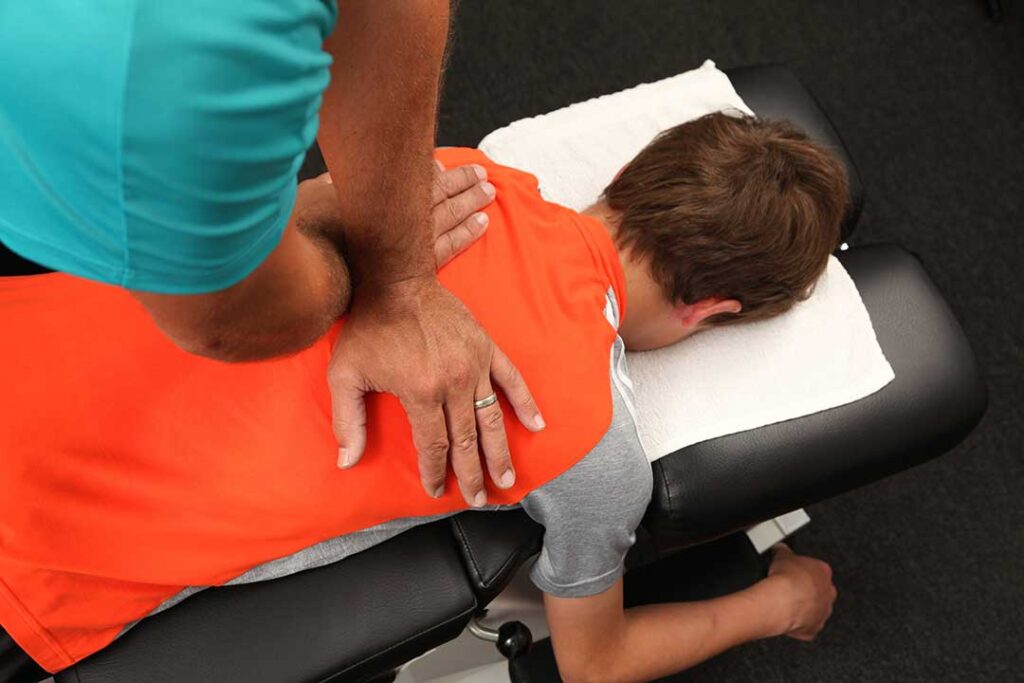
Is Post-Adjustment Soreness Normal?
Most people in Union, NY experience mild soreness or achiness after a chiropractic adjustment, and this is generally considered normal. The sensation is similar to how muscles might feel after a new type of exercise. The soreness often appears within a few hours of the visit and usually fades within 24 to 48 hours.
Why Might Soreness Occur After an Adjustment?
Soreness after a chiropractic visit usually comes from subtle shifts in the body’s joints and muscles. When a chiropractor makes adjustments, it can:
- Activate muscles that have not been used much, leading to minor strains or fatigue.
- Release areas of tension, causing nearby tissues to adjust and recover.
- Trigger a temporary increase in circulation to an area, which can sometimes feel tender.
In Union, where many residents perform seasonal yard work, shovel snow, or spend long hours at desks, muscle and joint tightness can build up in daily routines. Adjustments may work into areas that have not moved freely in a while, which is why some people feel sore afterward.
How Long Does Soreness Last?
Most individuals in the community notice that any post-adjustment soreness is mild and resolves on its own within one to two days. It is rare for pain to be severe or to continue beyond this short period. The body typically adapts quickly to the realignment, and most people return to their usual activities without trouble.
If soreness lasts longer than two or three days or is intense enough to interrupt sleep or daily tasks, it’s worth mentioning to your provider at your next visit to rule out any unusual response.
What Does Normal Soreness Feel Like?
Typical post-adjustment soreness feels like:
- Mild muscle aches
- Tenderness in the area that was adjusted
- Generalized stiffness or a “worked out” feeling
It should not feel like sharp pain, tingling, numbness, or radiating discomfort. Soreness is usually limited to the area that was worked on and does not spread to new places.
Is There Anything You Can Do to Ease Discomfort?
Local residents have found a few strategies help relieve mild soreness:
- Apply an ice pack or cold compress to the sore area for short periods (15-20 minutes at a time).
- Use gentle movement or stretching rather than total rest.
- Stay hydrated and avoid strenuous activity for a day or so after the adjustment.
- Take short walks, especially if you have a sedentary lifestyle, to keep joints from stiffening.
Heat packs can also be soothing, especially during Union's colder months, but ice is best in the first 24 hours for swelling or tenderness.
When Should You Be Concerned?

While mild soreness is an ordinary reaction, there are uncommon signs that may need medical attention. Seek advice from a healthcare professional if you experience:
- Severe, sudden, or worsening pain beyond what you’d expect from a sore muscle
- Loss of strength, numbness, or tingling in limbs
- Symptoms that last more than several days without improvement
These symptoms are rare but could indicate something other than normal muscle soreness.
Common Misconceptions About Chiropractic Soreness
Residents sometimes worry that soreness means the adjustment “didn’t work” or that something was done incorrectly. In reality, mild aches suggest the body is adjusting to realignment or released tension. Another misconception is that repeated adjustments always increase soreness; in fact, as muscles and joints become more balanced, soreness often decreases over time with routine care.
What Factors Make Soreness More Likely?
Certain circumstances may make post-adjustment soreness more common in area households:
- First chiropractic visits or adjustments after a long gap
- Stiffness from long winters, indoor work, or limited movement
- Intensive activity leading up to the appointment (e.g., weekend yardwork, shoveling snow)
- Dehydration, which can increase muscle cramping
People living in apartment complexes or multi-story homes may also notice soreness if they do more stair climbing or heavy lifting right after an appointment.
Does Everyone Experience the Same Level of Soreness?
Not everyone in Union will feel sore after a chiropractic adjustment. Some people experience no discomfort at all, while others may be more sensitive, particularly after the first session or following a more extensive adjustment. Age, physical activity level, diet, stress, and even the amount of tension held in the body can affect how someone feels after a visit.
