
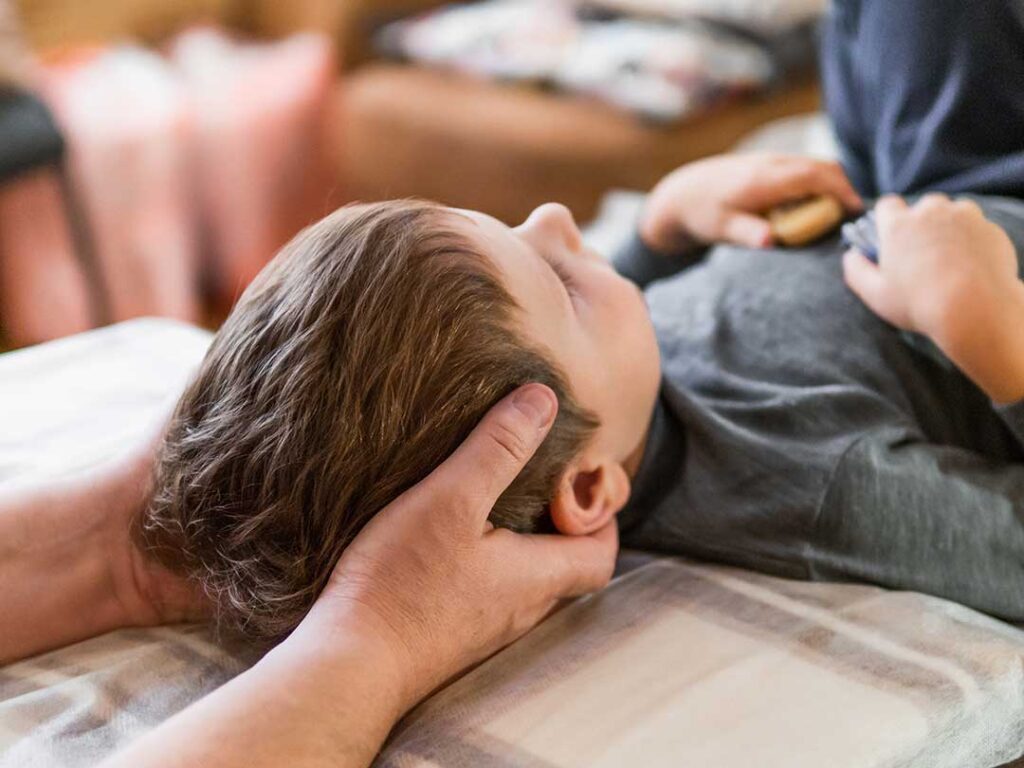
Chiropractic maintenance care refers to occasional, planned care after an initial episode of pain has improved. The purpose is not to promise permanent protection from injury or illness. Instead, it may help some people manage recurring musculoskeletal symptoms, maintain function, and recognize problems before they interfere more seriously with daily life.
For residents of Union, NY, the idea can be especially relevant during seasons that involve snow removal, icy walking conditions, outdoor recreation, prolonged driving, or more time spent working around the house. Still, maintenance care is not appropriate for everyone, and its value depends on the person’s condition, goals, response to treatment, and overall health.
What does chiropractic maintenance care involve?
Maintenance care usually begins after an active problem has been assessed and has responded to treatment. Follow-up visits may occur at intervals based on symptoms, activity demands, previous flare-ups, and functional goals rather than on a fixed schedule for every person.
Care may include:
- A review of pain, mobility, strength, and daily activities
- Spinal or joint manipulation when clinically appropriate
- Gentle mobilization or soft-tissue techniques
- Exercise instruction and activity modification
- Discussion of lifting, posture, sleep, work, or household habits
- Reassessment of whether continued care is still useful
A responsible plan should have a clear purpose and should be adjusted when symptoms, medical conditions, or personal priorities change. Maintenance visits should not replace exercise, general medical care, treatment for injuries, or evaluation of new symptoms.
What are the potential benefits?
The most credible potential benefit is better management of recurring low-back pain in carefully selected adults who improved during an initial course of care. A randomized trial of people with recurrent or persistent nonspecific low-back pain found that planned maintenance care produced fewer total days with bothersome pain over one year than treatment provided only when symptoms returned. The maintenance group also received slightly more treatments, which means the benefit should be weighed against time, cost, and personal preference. ([pubmed.ncbi.nlm.nih.gov](https://pubmed.ncbi.nlm.nih.gov/30208070/?utm_source=openai))
Possible benefits may include:
- Fewer days when pain limits walking, standing, sleeping, or household tasks
- Longer periods between troublesome flare-ups for some people
- Greater confidence with normal movement
- Earlier identification of changes in mobility or activity tolerance
- Support for an exercise and self-management routine
These benefits are not guaranteed. The research does not show that routine spinal adjustments prevent all future pain, correct every underlying problem, or improve unrelated health conditions. For chronic low-back pain, spinal manipulation is one of several nondrug options that may provide small improvements in pain and function. ([nccih.nih.gov](https://www.nccih.nih.gov/health/spinal-manipulation-what-you-need-to-know?utm_source=openai))
Who may be most likely to benefit?
Maintenance care may be reasonable for someone who has a history of recurring or persistent, nonspecific back pain, improved with an initial treatment plan, and wants to reduce the disruption caused by future episodes. It may also be considered when a person understands the expected benefits and prefers a nonmedication approach as part of a broader self-management plan.
The evidence is more limited for people who have never had a related problem or who are seeking adjustments simply as a general health ritual. A secondary analysis of the maintenance-care trial suggested that the greatest benefit occurred in a particular subgroup with more persistent functional difficulties, rather than equally across all participants. ([pubmed.ncbi.nlm.nih.gov](https://pubmed.ncbi.nlm.nih.gov/32316995/?utm_source=openai))
A useful question is not “How often should everyone receive care?” but rather:
- What problem is the care intended to address?
- Has the person improved in measurable ways?
- Are the benefits lasting between visits?
- Could exercise, education, or another approach provide the same or greater benefit?
- Is continued care still consistent with the person’s health and goals?
Does maintenance care prevent injuries?
Not reliably. Maintenance care should not be presented as a guarantee against strains, falls, disc problems, or other injuries. Everyday risks remain, including lifting a heavy object unexpectedly, slipping on ice, shoveling snow while fatigued, or returning too quickly to strenuous activity.
Residents managing seasonal household tasks can reduce risk through practical habits:
- Warm up before strenuous outdoor work.
- Use smaller loads rather than attempting to move excessive weight.
- Keep frequently used tools easy to reach.
- Turn with the feet instead of twisting while carrying.
- Take breaks before fatigue affects coordination.
- Resume exercise gradually after a period of inactivity.
- Use handrails and appropriate footwear during icy conditions.

Exercise that builds strength, endurance, balance, and confidence is often a central part of long-term back care. Maintenance visits should complement these habits, not substitute for them.
What are the risks and limitations?
Most people who receive spinal manipulation report no serious complication, but short-term soreness, stiffness, headache, or a temporary increase in symptoms can occur. These effects commonly resolve within about a day. Serious complications are rare, but they have been reported, and risk may be higher for people with certain underlying conditions. ([nccih.nih.gov](https://www.nccih.nih.gov/health/spinal-manipulation-what-you-need-to-know?utm_source=openai))
A thorough health history matters. Relevant information may include osteoporosis, fractures, cancer, inflammatory arthritis, bleeding disorders, recent surgery, infection, neurological symptoms, pregnancy, and medications that affect bleeding or bone health. The technique and area treated may need to be modified, or manipulation may be unsuitable.
Neck manipulation deserves particular caution. Rare neck-artery injuries have been reported, and the relationship between manipulation and these events remains debated. Anyone considering neck treatment should discuss potential risks and alternatives rather than assuming that a forceful technique is necessary. ([nccih.nih.gov](https://www.nccih.nih.gov/health/spinal-manipulation-what-you-need-to-know?utm_source=openai))
When should pain be medically evaluated first?
New or changing symptoms should not automatically be treated as a routine flare-up. Prompt medical evaluation is appropriate for severe or rapidly worsening pain, significant trauma, fever, unexplained weight loss, a history of cancer, new bowel or bladder problems, numbness in the saddle area, or progressive weakness.
Pain traveling down an arm or leg, persistent numbness, unexplained nighttime pain, or difficulty walking also deserves careful assessment. These symptoms do not always indicate an emergency, but they may require a different diagnostic or treatment approach.
Imaging is not automatically needed for every episode of back pain. However, the decision should be based on the history and examination, especially when warning signs or substantial injury are present.
How should someone judge whether maintenance care is helping?
Track function, not only short-term comfort. Useful measures might include the ability to walk, sleep, work, shovel, exercise, or complete household tasks with fewer interruptions. A simple record of symptom days, activity limits, and flare-up duration can reveal whether a plan is producing meaningful improvement.
A maintenance plan should be reconsidered if:
- Symptoms are unchanged after a reasonable trial.
- Relief lasts only briefly or becomes less noticeable.
- Visits continue without clear goals or reassessment.
- New symptoms develop.
- Exercise and self-care are being neglected.
- The time, expense, or inconvenience outweighs the practical benefit.
For some people in the community, occasional follow-up care may be a useful part of managing recurrent back pain. For others, a home exercise program, physical therapy, medical evaluation, improved work habits, or another approach may be more appropriate. The strongest plan is individualized, transparent about uncertainty, and focused on preserving everyday function rather than promising perfect spinal alignment or lifelong protection from pain.
